
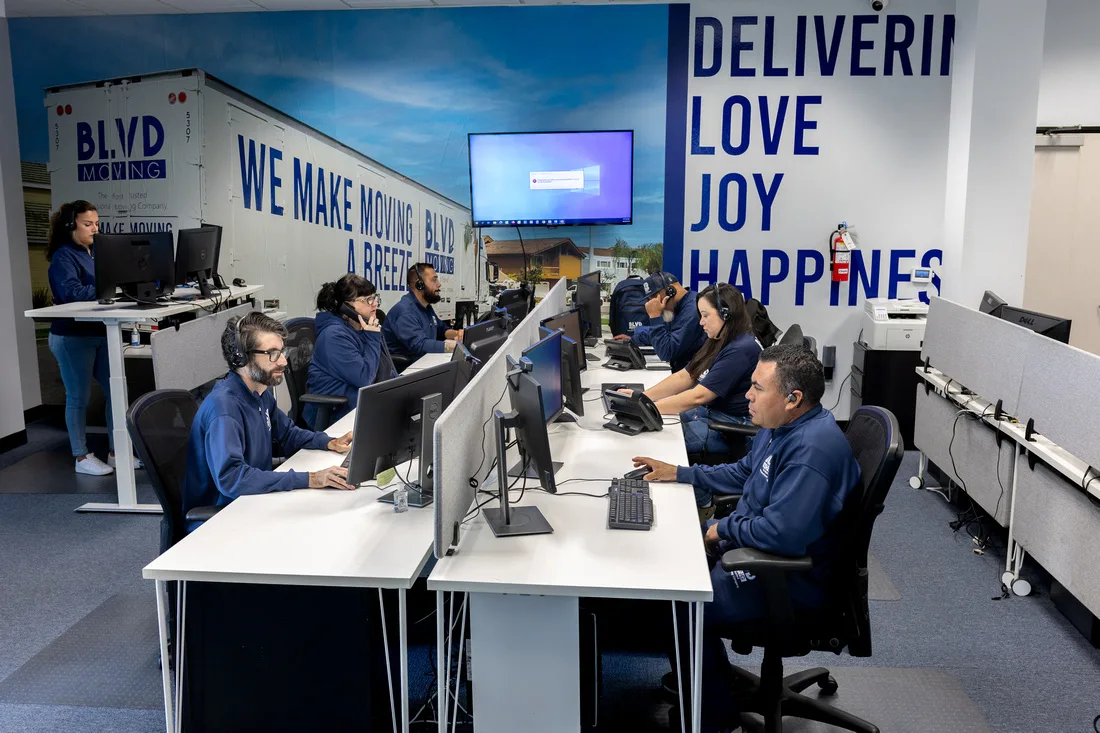
Move the operation—not only the inventory.
BLVD coordinates commercial relocations around facilities, equipment, departments, access rules, packing, staging, storage, delivery sequence, and business priorities.
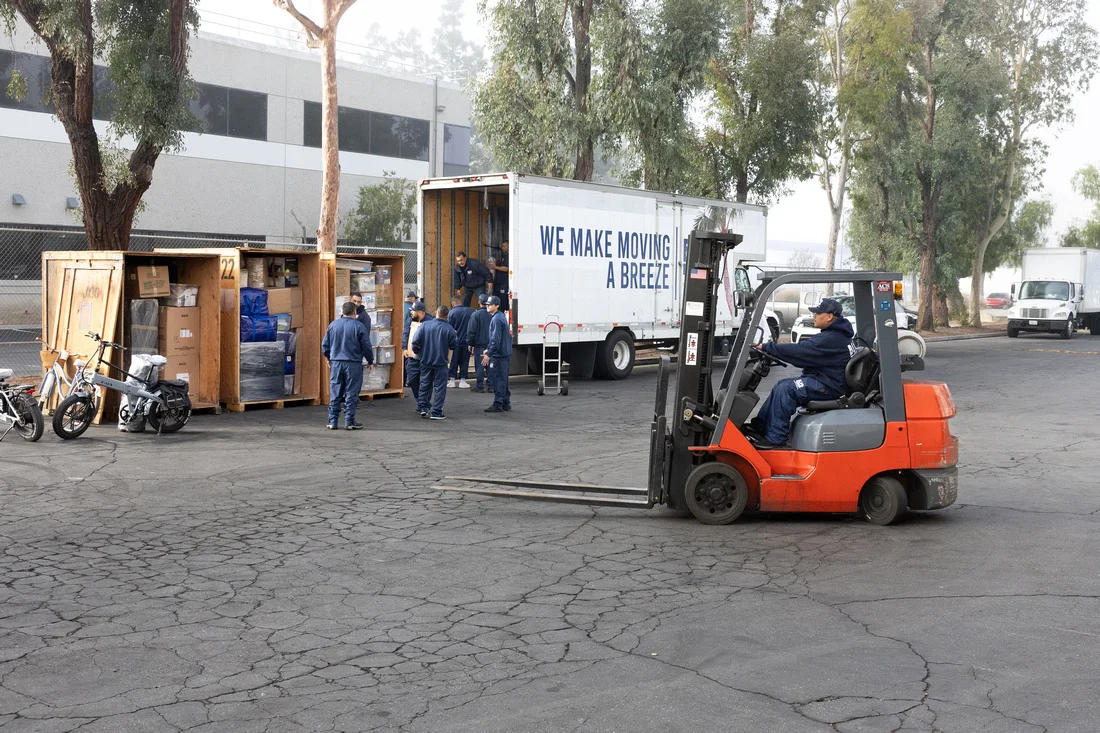
The move plan should understand what the business needs next.
A commercial relocation succeeds when facilities, teams, equipment, and destination readiness are planned together.
BLVD reviews access rules, inventory, department ownership, specialty handling, packing, staging, storage needs, and the order in which areas must arrive.
Those details help define the crew, equipment, materials, documentation, and delivery sequence included in the estimate.
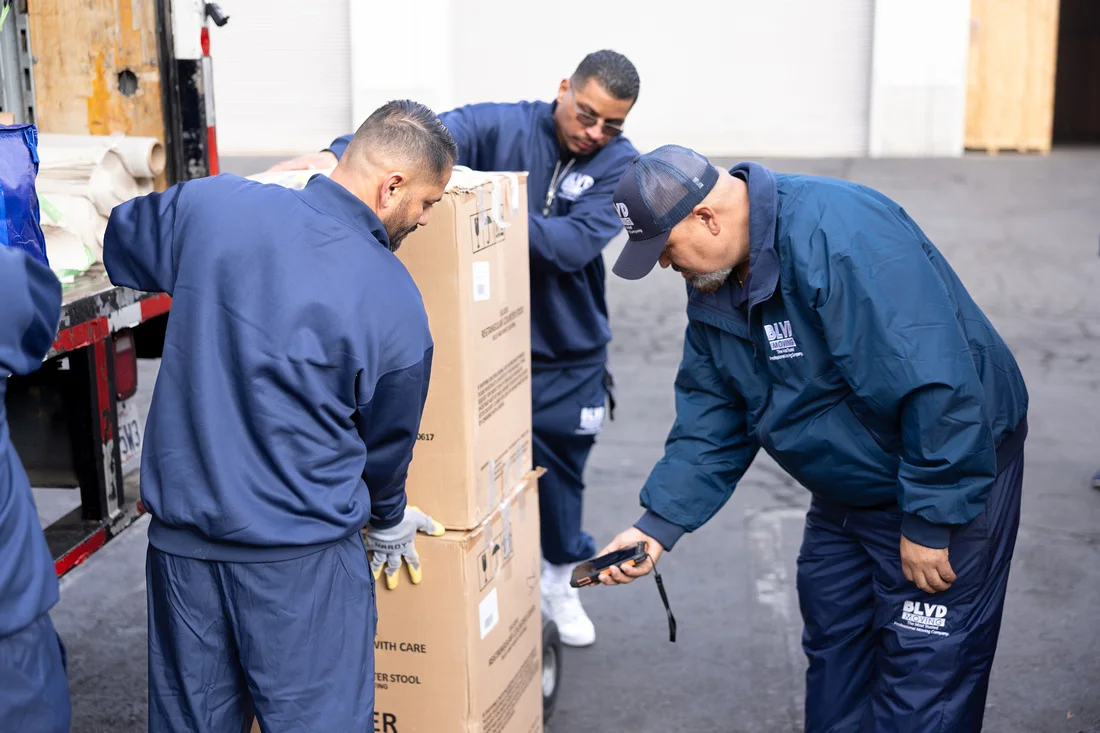
Organize the move around people, assets, and continuity.
Commercial scopes vary widely. Confirm the actual assets, locations, building requirements, and business priorities before scheduling.
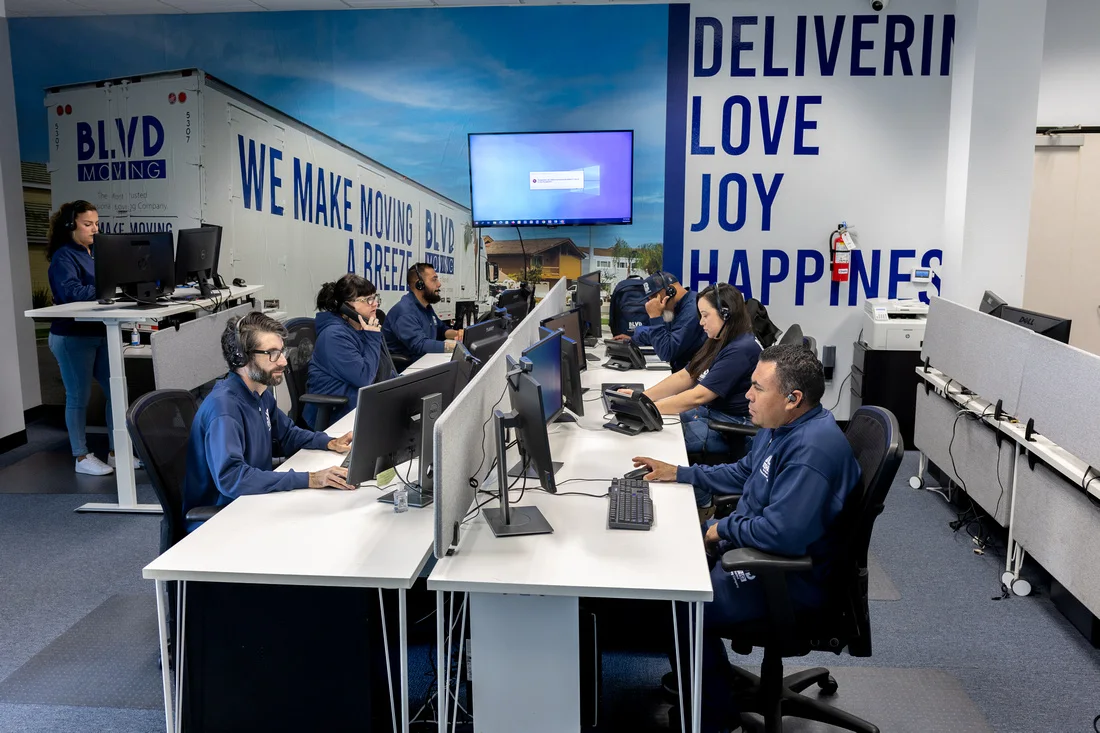
Give every site and department a clear handoff.
The project becomes easier to execute when ownership and destination are visible before packing begins.
Give every site and department a clear handoff.
The project becomes easier to execute when ownership and destination are visible before packing begins.
Move sequencing
Phase the work by site, department, floor, zone, priority, or destination readiness.
Equipment handling
Identify technology, fixtures, furniture, files, machinery, displays, and specialty assets.
Labels and inventory
Use destination labels, asset records, photographs, video, and scan checkpoints when appropriate.
Access windows
Plan around building hours, docks, elevators, parking, security, certificates, and site contacts.
Define the commercial scope
Document sites, assets, departments, access requirements, dates, business priorities, and responsible contacts.
Build zones and labels
Create a room, department, floor, asset, or destination labeling plan that supports packing and delivery.