
Inventory plan
List the furniture, cartons, specialty pieces, fragile items, and anything being added, removed, packed, stored, or transported separately.
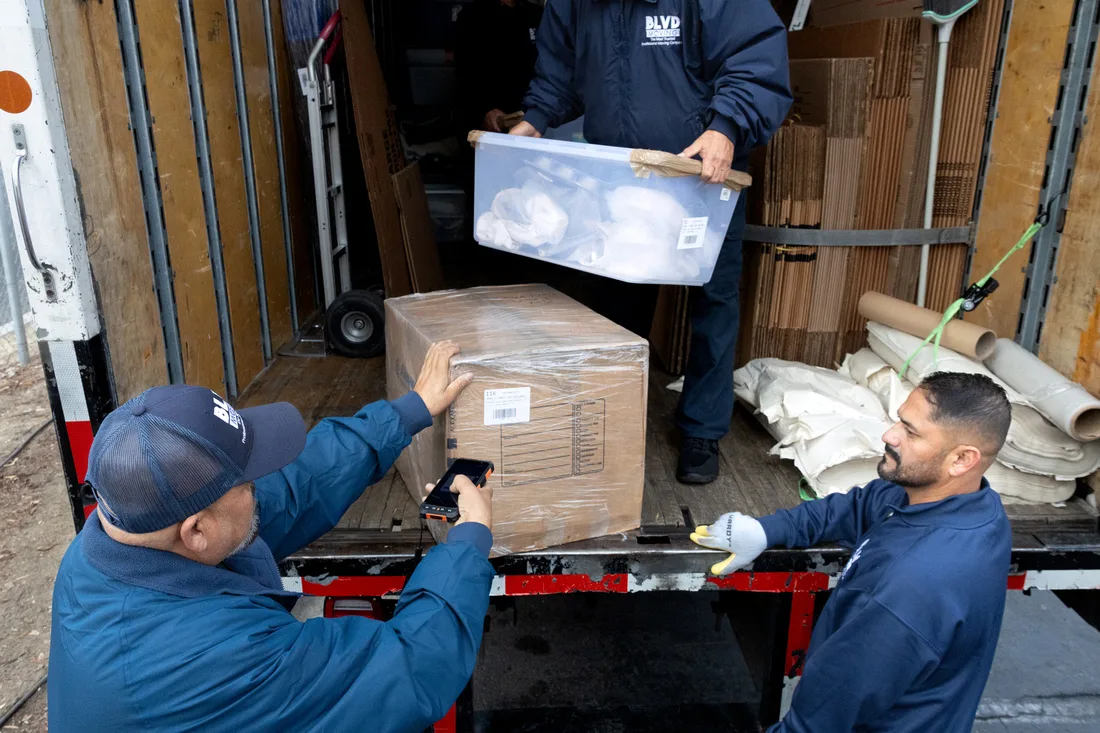
Moving tips · Preparation checklist
A smoother moving day starts with accurate inventory, confirmed access, organized packing, protected essentials, and written details that match the work.
The strongest moving-day foundation
List the furniture, cartons, specialty pieces, fragile items, and anything being added, removed, packed, stored, or transported separately.
Confirm parking, gates, stairs, elevators, loading docks, certificates, time restrictions, and the path between the property and truck.
Decide what the crew will pack, what needs specialty protection, how rooms will be labeled, and what must remain available to you.
A practical moving sequence
Each step reduces uncertainty at the next handoff. Update the mover when the route, inventory, access, dates, or requested services change.
Match the addresses, dates, inventory, access conditions, services, charges, and company information to the move you are planning.
Donate, sell, recycle, or dispose of unwanted items before finalizing cartons and inventory. Do not hide added items from the move profile.
Use appropriate cartons, protect fragile contents, avoid overloading boxes, and label the room and handling needs on more than one side.
Ask the mover which hazardous, perishable, valuable, or personally essential items cannot or should not travel on the moving truck.
Keep identification, medication, keys, chargers, records, clothing, toiletries, pet supplies, and immediate-use items with you.
Protect access paths, reserve elevators or loading areas, arrange building requirements, and confirm who can provide entry at each location.
Walk the property, review the inventory and documents, confirm destination details, and make sure nothing intended for the move was left behind.
Use room labels and an agreed placement plan, inspect items and property, note exceptions, and complete the final documentation.

Keep the move profile current
Tell the relocation consultant about changes early enough to review the crew, equipment, packing, access, timing, estimate, and transportation plan.
Questions about this guide
Use these answers for planning, then review your written estimate, requested services, dates, route, access, and move documents.
Start as soon as you know the likely route and timing. Availability varies, and earlier preparation gives you more time to review estimates, reduce inventory, arrange building access, choose packing services, and report changes.
Keep identification, medication, keys, money, irreplaceable records, essential electronics, chargers, valuables, immediate-use supplies, and anything the mover identifies as prohibited or unsuitable for transport.
Label cartons by destination room and include useful handling notes. Mark more than one side so the label remains visible when stacked. If barcode inventory is part of the service, follow the crew instructions for keeping identifiers readable.
Report changes to inventory, addresses, access, dates, packing, storage, specialty items, building requirements, or requested services so the effect on the plan and written estimate can be reviewed.
Related moving services
Review the service page that matches the move, then confirm the scope in the written estimate.
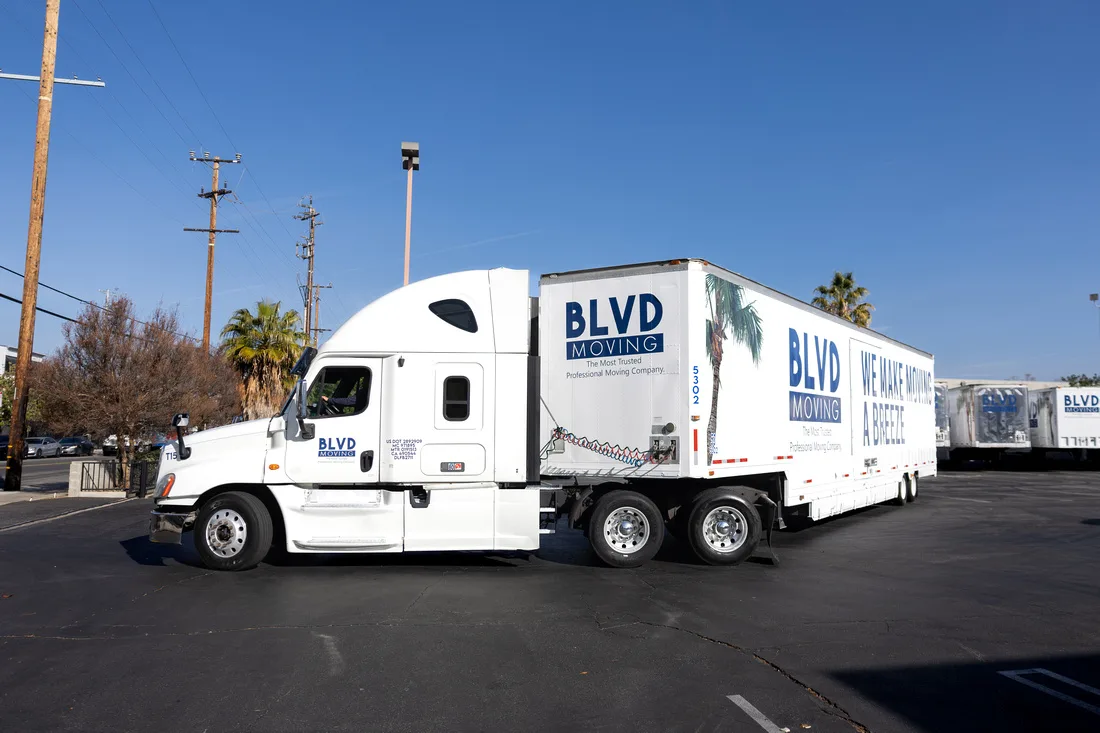
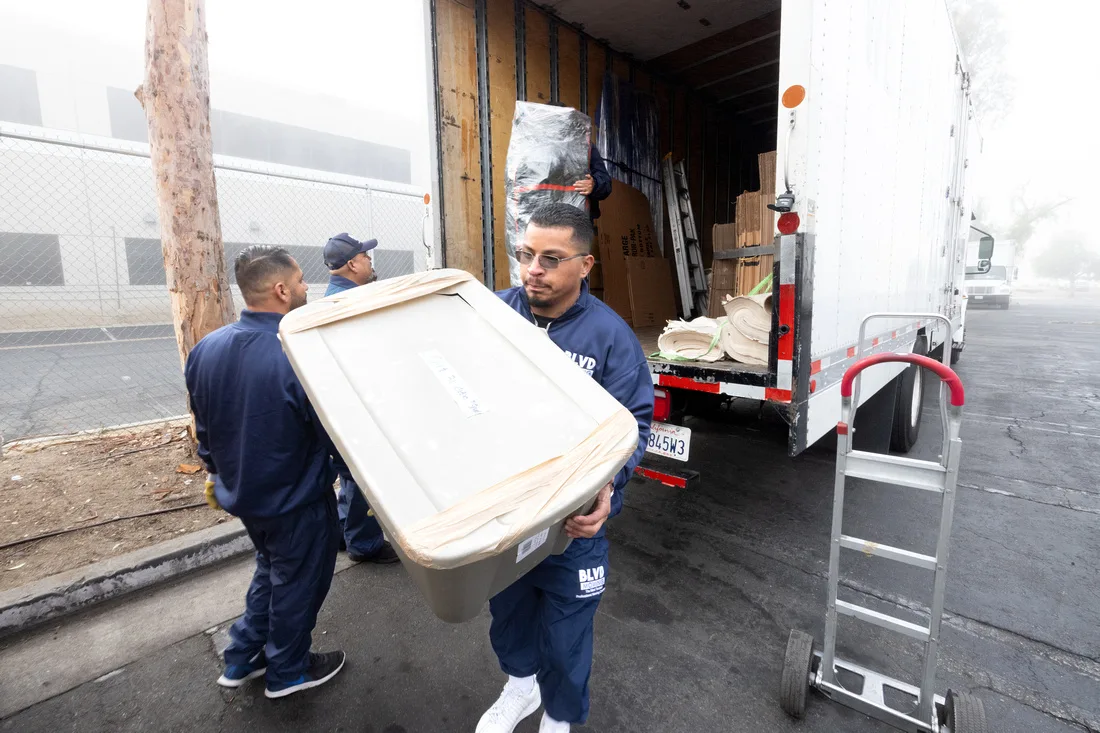
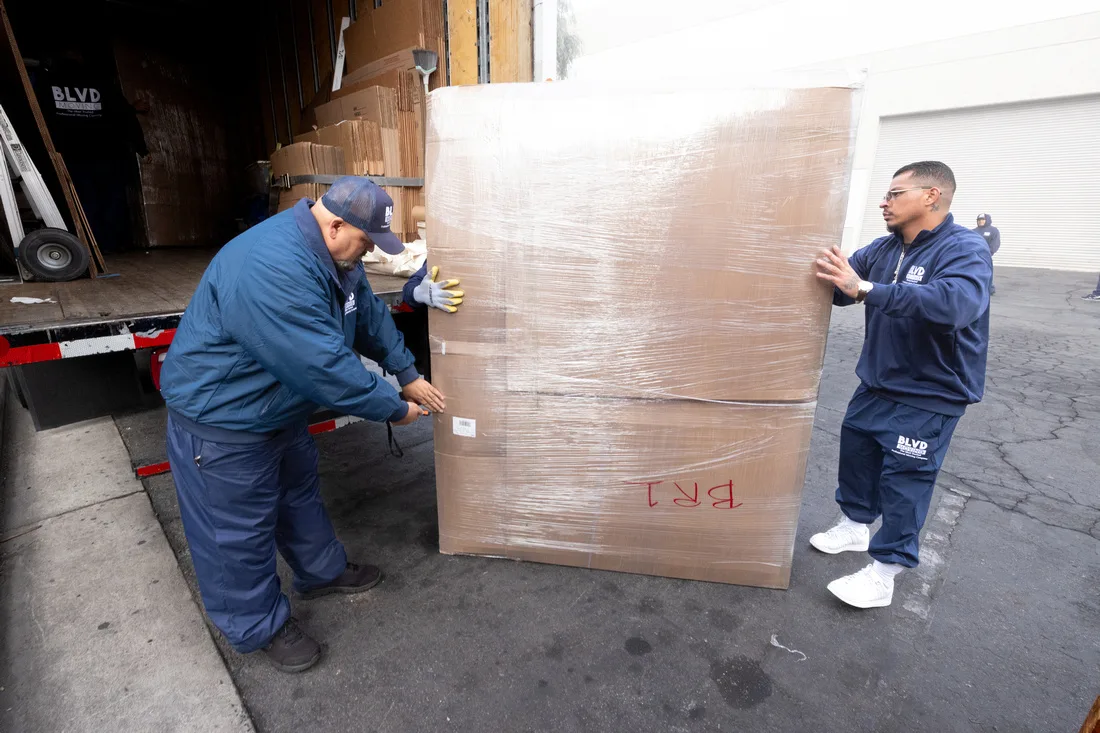
Build the move around your details
Share the origin, destination, timing, inventory, access, and services you may need. A relocation consultant can use those details to prepare the next step.